
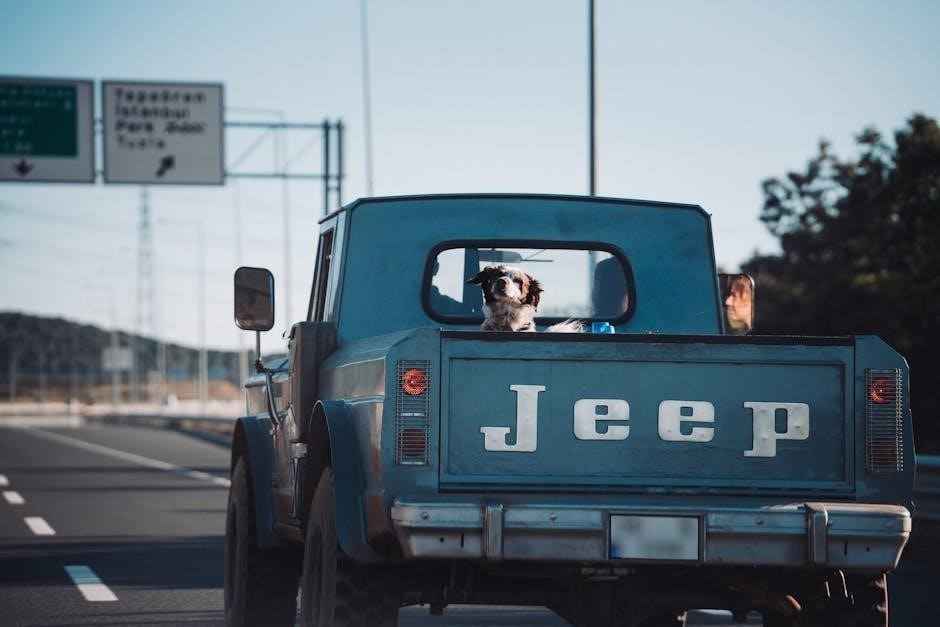
Jeep 6-Speed Manual Transmission: A Comprehensive Overview (as of 04/01/2026)
As of today, April 1st, 2026, Jeep is streamlining its powertrain options, discontinuing the six-speed manual in the Gladiator while retaining it for specific Wrangler trims.
Historical Context of Jeep Manual Transmissions
Jeep’s relationship with manual transmissions stretches back to its earliest days, intrinsically linked to the brand’s rugged, utilitarian origins. For decades, a manual gearbox was the standard, offering drivers direct control and a connection to the vehicle – essential for navigating challenging terrains. As automatic transmissions gained popularity, Jeep continued to offer manuals, catering to enthusiasts who valued the engagement and control they provided;

The introduction of the NSG330 six-speed manual represented a significant step forward, providing a more refined and efficient driving experience compared to older designs. However, recent shifts in consumer preference and manufacturing strategies have led to a reduction in manual options. The 2025 model year marks a turning point, with the Gladiator losing its manual option entirely, signaling a broader trend within the automotive industry. Despite this, Jeep acknowledges the enduring appeal of the manual transmission, continuing to offer it in select Wrangler configurations for dedicated drivers.
The NSG330 6-Speed Manual Transmission
The NSG330 is a robust six-speed manual transmission utilized in Jeep Wranglers and Gladiators, known for its durability and relatively direct feel. Developed by New Venture Gear (hence NSG), it offered an upgrade over previous manual options, providing smoother shifts and a wider gear ratio spread. This transmission was designed to handle the torque output of the 3.6L Pentastar V6 engine, the mainstay powerplant for these vehicles.
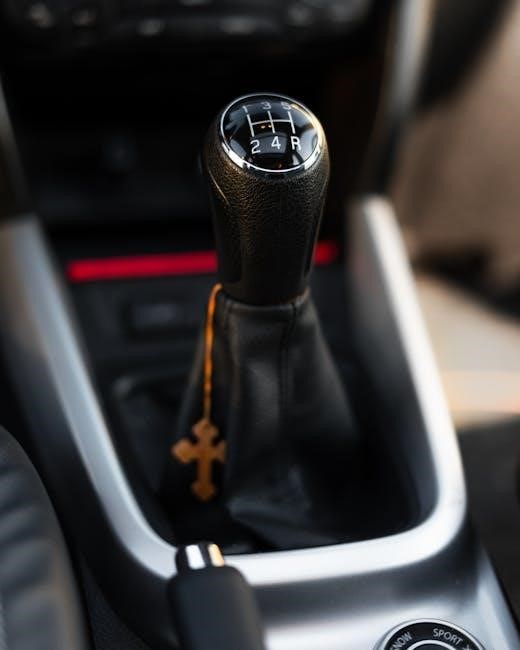
Internally, the NSG330 features double-cone synchronizers on most gears, contributing to quicker and more precise shifting. While generally reliable, it’s not without its potential issues, as discussed later. The decision to retain this transmission for certain Wrangler trims in 2025, while discontinuing it in the Gladiator, highlights Jeep’s attempt to balance market demands with enthusiast preferences. It remains a key component for those seeking a traditional driving experience.
Applications: Wrangler and Gladiator
The NSG330 six-speed manual transmission found a primary home in both the Jeep Wrangler and Gladiator lineups, offering drivers a connected and engaging driving experience. Initially, it was widely available across various trims of both models, catering to those who preferred the control of a manual gearbox. However, recent changes have significantly altered its availability.
For the 2025 model year, Jeep has made the pivotal decision to discontinue the manual transmission option entirely for the Gladiator, shifting exclusively to the eight-speed automatic. Conversely, the Wrangler continues to offer the six-speed manual, but now exclusively paired with the 3.6L V6 engine, simplifying the powertrain choices. This divergence reflects differing market demands and Jeep’s strategic focus on streamlining production and appealing to a broader customer base, while still acknowledging enthusiast desires within the Wrangler community.
Gear Ratios and Technical Specifications
The NSG330 six-speed manual transmission utilized in Jeep Wranglers and Gladiators features a robust design intended to handle the torque output of the available engines. While specific ratios can vary slightly depending on the engine pairing and model year, a common configuration showcases a first gear ratio of 3.50:1, providing ample low-end torque for off-road challenges. Subsequent ratios typically include 2.07:1, 1.38:1, 1.00:1, 0.74:1, and a final overdrive gear of 0.62:1.
This arrangement balances acceleration, fuel efficiency, and highway cruising comfort. The transmission itself is known for its durability, though some owners have reported issues with synchros (discussed elsewhere). It’s a relatively conventional design, prioritizing strength and reliability over complex electronic controls, contributing to its appeal among enthusiasts seeking a traditional driving experience.
Common Issues and Troubleshooting
Jeep’s NSG330 six-speed manual transmission, while generally reliable, isn’t without its potential problems. Owners frequently report issues with the synchro mesh, particularly in second and third gear, manifesting as grinding during shifts. This often indicates wear and may require transmission rebuild or component replacement. Clutch problems, including premature wear or difficulty disengaging, are also common, potentially stemming from aggressive driving or improper adjustment.
Shifter linkage issues can lead to imprecise shifting or difficulty selecting gears; checking and lubricating the linkage is a good starting point. Addressing these concerns promptly can prevent further damage. Regular fluid checks and changes, using the manufacturer’s recommended fluid, are crucial preventative measures. Ignoring early warning signs can escalate minor issues into costly repairs.
Clutch Problems
Clutch issues are frequently reported by owners of Jeep Wranglers and Gladiators equipped with the six-speed manual transmission. Common symptoms include a soft or spongy pedal feel, difficulty shifting into gear, and clutch slippage, especially under load or when accelerating. Premature clutch wear can occur due to aggressive driving habits, frequent off-road use, or improper adjustment.
A failing throw-out bearing often presents as a squealing or chirping noise when the clutch pedal is depressed. Inspecting the clutch disc, pressure plate, and release bearing is essential during troubleshooting. Hydraulic clutch systems may experience leaks or air in the lines, requiring bleeding or component replacement. Addressing clutch problems promptly prevents further transmission damage and ensures optimal driving performance.
Synchro Mesh Issues
Synchro mesh problems represent a significant concern for Jeep 6-speed manual transmission owners, often manifesting as grinding noises during gear changes, particularly when shifting into second or third gear. Worn or damaged synchronizers prevent the gears from matching speeds smoothly, leading to difficulty engaging the desired gear and potential transmission damage over time.
Contributing factors include aggressive shifting, infrequent fluid changes, and general wear and tear. Diagnosing synchro issues typically involves listening for specific grinding patterns during shifts. Repair often necessitates a transmission rebuild or replacement of the affected synchronizer components. Ignoring these symptoms can lead to more extensive and costly repairs down the line, impacting the overall driving experience.
Shifter Linkage Problems
Shifter linkage issues within the Jeep 6-speed manual transmission can result in imprecise shifting, excessive play in the shifter, or even difficulty selecting certain gears. These problems typically stem from worn or loose linkage components, including bushings, rods, and pivot points. Corrosion and lack of lubrication can exacerbate these issues, particularly in Jeeps frequently exposed to off-road conditions.
Symptoms often include a vague or sloppy shifter feel, requiring more effort to engage gears correctly. Diagnosis involves visually inspecting the linkage for wear, damage, or looseness. Repair usually entails replacing worn bushings, adjusting linkage components, or lubricating pivot points. Addressing these problems promptly restores precise shifting and enhances the overall driving experience, preventing further strain on the transmission.
Maintenance and Fluid Recommendations
Regular maintenance is crucial for the longevity of the Jeep 6-speed manual transmission. Fluid changes are paramount, typically recommended every 30,000 to 60,000 miles, depending on driving conditions – more frequent changes are advised for off-road use. Jeep specifies using a specific manual transmission fluid, often a synthetic GL-3 gear oil meeting Chrysler MS-9224 specification.
Beyond fluid changes, inspect the shifter linkage for wear and proper lubrication. Check for leaks around the transmission housing and inspect the clutch components during routine service. Avoid harsh shifting and “speed shifting” to minimize wear on synchronizers. Proper maintenance prevents premature failure, ensuring smooth operation and maximizing the transmission’s lifespan. Ignoring these recommendations can lead to costly repairs down the road.
The 2025 Jeep Gladiator – Manual Transmission Discontinuation
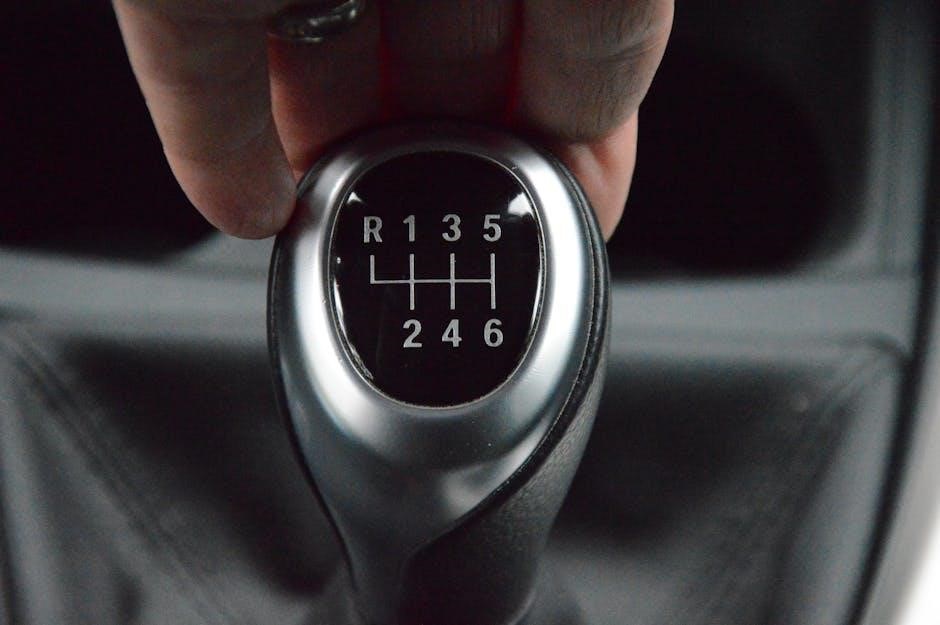
A significant change for the 2025 model year is the complete removal of the six-speed manual transmission option from the Jeep Gladiator lineup. As of today, April 1st, 2026, all 2025 Gladiators will exclusively be offered with the TorqueFlite eight-speed automatic transmission. This decision simplifies the Gladiator’s powertrain offerings, aligning it with a broader industry trend towards automatics.
This discontinuation leaves the Toyota Tacoma as the sole remaining manual transmission option in the mid-size pickup truck segment. Jeep cites streamlining production and customer preference as contributing factors. While disappointing for manual enthusiasts, the eight-speed automatic provides enhanced efficiency and ease of use for many drivers. The move reflects a shift in market demand and Jeep’s focus on broader appeal.
The 2025 Jeep Wrangler – Manual Transmission Availability
Despite the Gladiator’s shift, the manual transmission’s story isn’t over for the Jeep Wrangler. For the 2025 model year, Jeep is continuing to offer the six-speed manual transmission, but with a key distinction. It will be exclusively paired with the trusted 3.6-liter Pentastar V6 engine. This means Wrangler buyers seeking a manual experience will have a single, dedicated powertrain option.
Jeep’s decision to retain the manual with the V6 demonstrates a commitment to enthusiasts who appreciate the traditional driving experience. The eight-speed automatic remains available for Wranglers equipped with either the four or eight-cylinder engines, providing a range of choices. This powertrain simplification for the Wrangler aims to cater to diverse driver preferences while preserving the option for a classic manual setup.
Comparison with the 8-Speed Automatic Transmission
The eight-speed automatic, now standard on many 2025 Jeep models, presents a distinct contrast to the six-speed manual. While the manual offers drivers complete control over gear selection and a more engaging driving experience, the automatic prioritizes convenience and, in some scenarios, efficiency.
The automatic’s wider gear ratio spread can contribute to improved fuel economy and smoother highway cruising. However, enthusiasts often cite the manual’s direct connection to the engine and enhanced control during off-road situations as key advantages. Jeep’s decision to offer both transmissions caters to different driving styles and priorities. The automatic’s availability with the four and eight-cylinder engines provides broader capability options, while the manual remains a purist’s choice with the V6.
Performance Characteristics: Manual vs. Automatic
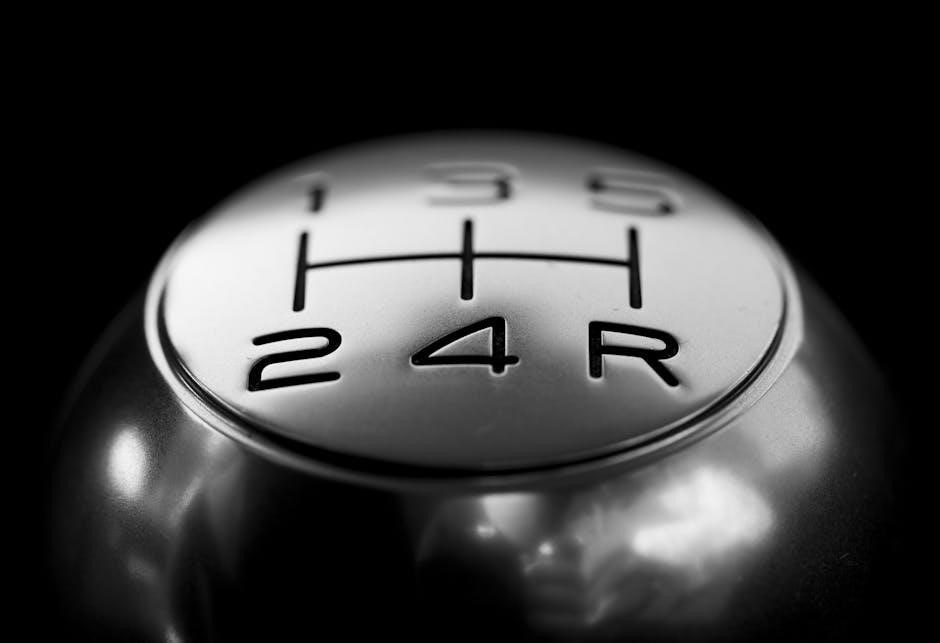
The six-speed manual transmission delivers a more visceral driving experience, allowing for precise engine control and quicker response times, particularly beneficial during challenging off-road maneuvers. Drivers can maintain optimal engine braking and select the ideal gear for any terrain. Conversely, the eight-speed automatic excels in everyday driving, offering seamless gear changes and reduced driver fatigue.
While the automatic may slightly outperform the manual in acceleration tests due to faster shift speeds, the manual provides a greater sense of connection and control. The automatic’s programming prioritizes efficiency, potentially sacrificing some of the raw power feel. Ultimately, the preferred performance characteristic depends on individual driving preferences and intended use – spirited driving versus comfortable cruising.
Aftermarket Support and Upgrades
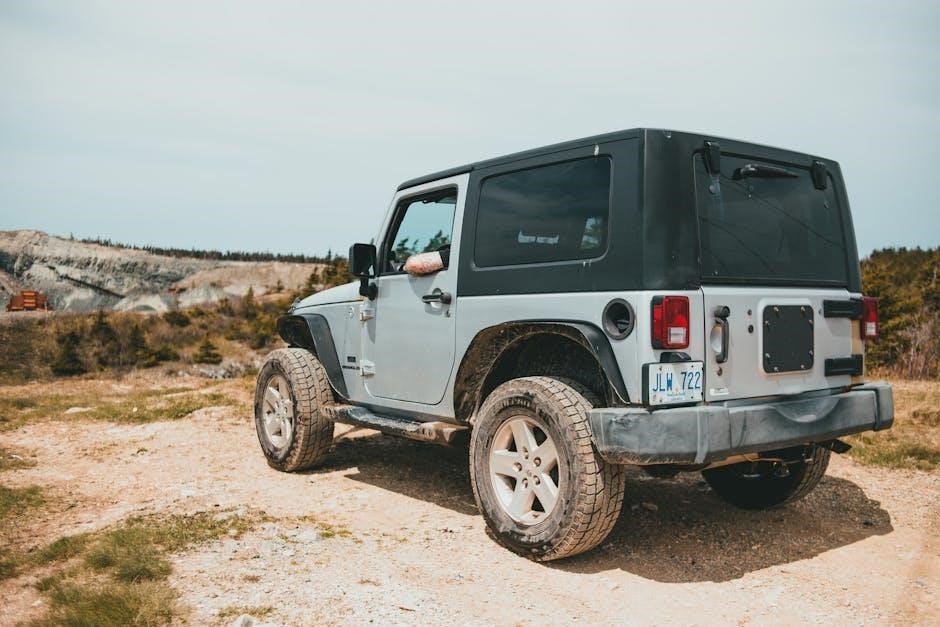
The Jeep 6-speed manual transmission benefits from a robust aftermarket, catering to enthusiasts seeking enhanced performance and durability. Clutch upgrades are popular, ranging from heavy-duty replacements for increased torque capacity to performance clutches offering improved pedal feel and engagement. Shifter modifications, including short-throw shifters, reduce throw distance for quicker, more precise gear changes.
Reinforced shift linkages address potential slop and improve shift accuracy, especially crucial for off-road applications. Upgraded synchros can mitigate grinding issues and enhance shifting smoothness. While the aftermarket support remains strong, the discontinuation of the manual in the Gladiator may eventually impact parts availability. Investing in upgrades now could be a proactive measure for long-term reliability and enjoyment.
Clutch Upgrades
For Jeep’s 6-speed manual transmission, clutch upgrades are frequently pursued to handle increased engine output or more demanding driving conditions. Stock clutches can struggle with larger tires, lift kits, or engine modifications, leading to slippage and premature wear. Performance clutches offer higher torque capacity, utilizing stronger pressure plates and friction materials.
Options range from organic clutches providing a softer pedal feel for daily driving to ceramic clutches designed for aggressive performance and track use. Heavy-duty clutches are a popular choice for off-road enthusiasts, offering increased durability and resistance to heat. When upgrading, consider the overall vehicle build and intended use to select the appropriate clutch type. Proper break-in procedures are crucial for maximizing clutch life and performance.
Shifter Modifications
Enhancing the Jeep’s 6-speed manual transmission experience often involves shifter modifications. Many owners seek to improve shift feel, reduce throw length, or eliminate excessive play. Aftermarket short-throw shifters are a popular upgrade, providing quicker and more precise gear changes. These typically involve replacing internal shifter components or the entire shifter assembly.
Beyond short-throw kits, bushings upgrades are common. Replacing the stock rubber bushings with polyurethane or brass versions minimizes shifter movement and improves directness. Shift knobs also play a role; weighted knobs can enhance shift feel, while different shapes offer improved grip. Careful installation and proper adjustment are vital to ensure smooth operation and avoid binding. These modifications contribute to a more engaging and connected driving experience.
Resale Value Considerations
The impending discontinuation of the manual transmission in Jeep Gladiators and limited availability in Wranglers significantly impacts resale value. Manual transmission Jeeps, particularly the last model year offerings, are poised to become increasingly collectible, potentially commanding a premium over their automatic counterparts. This is driven by enthusiast demand and the rarity factor as fewer manual options exist.
However, the broader market generally favors automatic transmissions. Potential buyers prioritizing convenience or unfamiliar with manual driving may offer less for a manual Jeep. Well-maintained, low-mileage manual Jeeps will likely retain value better, especially among the Jeep community. Documented service history and original components are crucial. Ultimately, resale value depends on market conditions and the specific vehicle’s condition.
Future of Manual Transmissions in Jeep Vehicles
The recent decisions regarding manual transmission availability suggest a challenging future for stick-shift Jeeps. While the 3.6L V6 Wrangler retains a manual option for now, the Gladiator’s complete shift to automatic signals a broader trend towards simplifying powertrains and catering to mainstream preferences. Jeep’s focus appears to be on the TorqueFlite eight-speed automatic, paired with various engine options.
A complete elimination of manual transmissions isn’t impossible, but a resurgence seems unlikely given current market forces. Jeep may consider limited-edition models with manual options to appease enthusiasts, but these would likely be premium-priced and highly sought after. The future hinges on consumer demand and Jeep’s willingness to cater to a niche, yet passionate, segment of its customer base.
DIY Repair vs. Professional Service
Attempting DIY repairs on a Jeep 6-speed manual transmission can be rewarding for experienced mechanics, but carries significant risk. Common issues like clutch problems, synchro mesh failures, and shifter linkage issues require specialized tools and in-depth knowledge. Incorrect repairs can lead to further damage and safety concerns.
For simpler tasks like fluid changes, a mechanically inclined owner might succeed with proper research and caution. However, internal transmission work – disassembly, inspection, and component replacement – is best left to qualified professionals. A reputable Jeep mechanic possesses the diagnostic equipment and expertise to accurately identify and resolve complex transmission problems, ensuring a safe and reliable repair.
Resources for Jeep Manual Transmission Owners
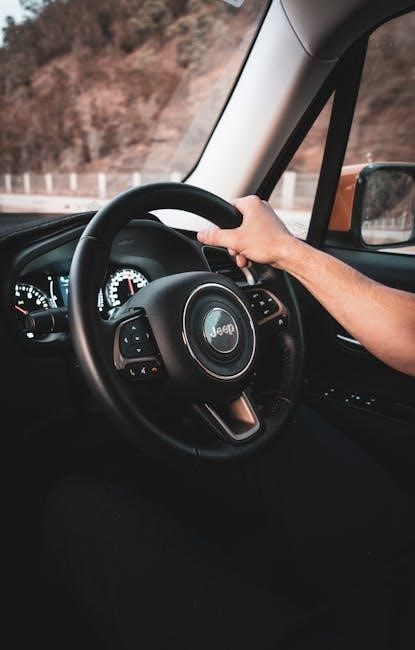
Jeep enthusiasts maintaining their 6-speed manual transmissions have access to a wealth of online and offline resources. Dedicated Jeep forums, such as those found on JeepLife and WranglerForum, provide invaluable troubleshooting advice, repair guides, and community support from fellow owners. These platforms often feature detailed discussions on common issues and successful repair experiences.
Official Jeep service manuals offer comprehensive technical information, including diagrams and specifications. Several aftermarket suppliers, like RockAuto and Quadratec, provide parts catalogs and technical assistance; YouTube channels specializing in Jeep repairs can offer visual guidance for specific procedures. Local Jeep clubs and experienced mechanics also represent valuable resources for owners seeking expert advice and hands-on assistance.
Impact of Discontinuation on Jeep Enthusiasts
The discontinuation of the 6-speed manual in the 2025 Jeep Gladiator has sparked considerable debate within the Jeep community. For many enthusiasts, the manual transmission represents a core element of the Jeep experience – a direct connection to the vehicle and the trail. Its removal diminishes the sense of driver engagement and control that some owners highly value.
While the Wrangler retains a manual option with the V6, the loss in the Gladiator narrows choices. This decision may drive some enthusiasts to purchase remaining new or used manual-equipped Gladiators, potentially increasing their resale value. Others may reluctantly opt for the 8-speed automatic, while some may explore alternatives altogether. The shift reflects a broader industry trend, but it’s a poignant loss for those who cherish the manual gearbox.