
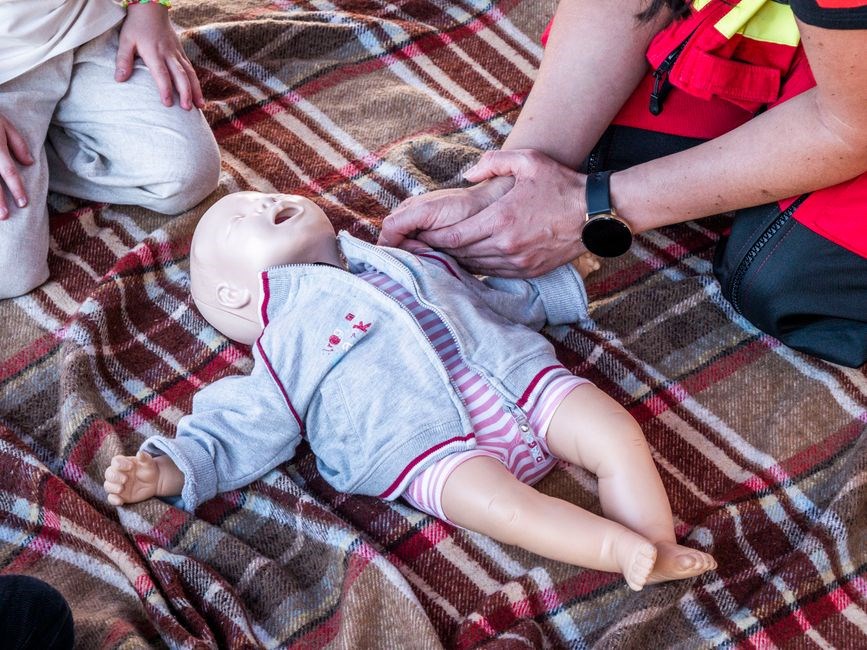
The 2016 American Red Cross Participants Manual offers comprehensive guidance on First Aid, CPR, and AED. Designed for learners, it combines theory with practical scenarios, ensuring readiness for emergencies. Accessible on Kindle, it supports interactive learning.It also includes quick‑reference charts safe tips.!
Purpose and Scope
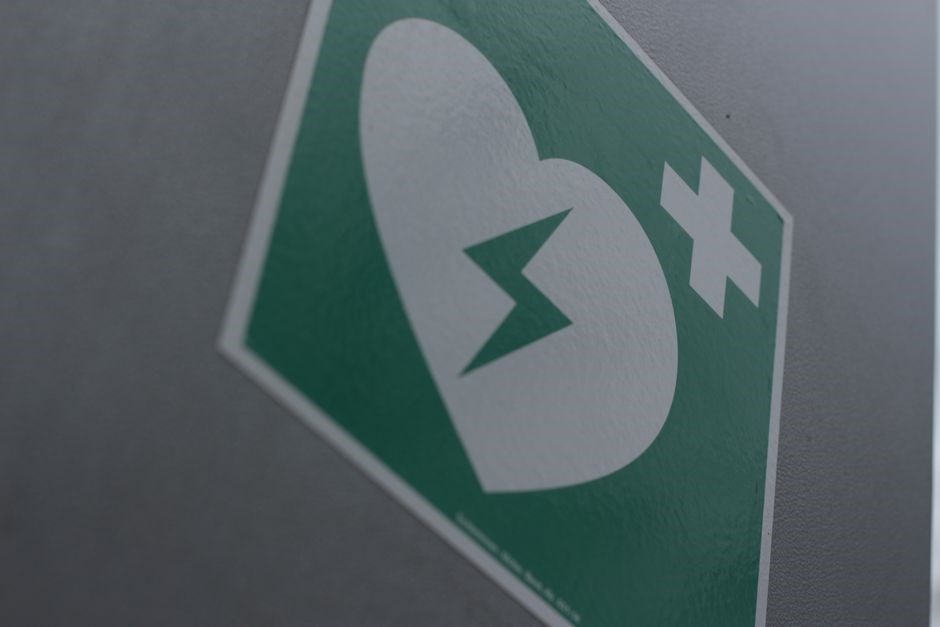
The 2016 American Red Cross Participants Manual is a cornerstone resource for individuals seeking to master lifesaving skills in First Aid, CPR, and AED. Its purpose is to equip participants with a clear, step‑by‑step framework that blends foundational theory with hands‑on practice, ensuring confidence in real‑world emergencies. The manual’s scope spans a broad spectrum of scenarios—from cardiac arrest and choking to bleeding control and environmental hazards—providing concise, evidence‑based instructions that align with the latest American Heart Association and Red Cross guidelines. By integrating interactive checklists, visual aids, and scenario‑based learning, the guide fosters a deep understanding of critical response protocols while emphasizing safety, teamwork, and effective communication. Whether used in corporate training, community outreach, or personal preparedness, this manual serves as a comprehensive, user‑friendly reference that empowers individuals to act decisively and competently when lives are at stake.
The manual also incorporates a modular approach, allowing instructors to tailor the curriculum to specific audiences such as healthcare professionals, educators, or lay volunteers.
Additionally, it includes a section on cultural competency, ensuring responders respect diverse backgrounds while delivering care.
Finally, the manual provides a robust assessment framework, including scenario‑based quizzes and practical demonstrations, to verify proficiency before certification and to promote lifelong learning among participants.
This readiness for emergency now
Target Audience
The 2016 American Red Cross Participants Manual is crafted for a diverse group of learners who seek to acquire essential lifesaving skills. Primary audiences include frontline healthcare workers, first‑responders in medical facilities, who need to refresh and validate their knowledge of CPR and AED use. Secondary audiences encompass educators, corporate safety officers, and community volunteers who facilitate public safety training. The manual also targets school personnel, childcare providers, and sports coaches who must be prepared to manage sudden medical events in educational or recreational settings. Additionally, it serves individuals who wish to obtain certification for personal or professional development, such as parents, caregivers, and travelers. By delivering content in a clear, step‑by‑step format, the manual ensures that participants of all experience levels—from novices to seasoned professionals—can confidently apply first aid principles in real‑time emergencies. The manual’s inclusive approach addresses cultural sensitivity, ensuring responders respect diverse backgrounds while delivering care. It also highlights the importance of teamwork, communication, and ethical decision‑making in high‑pressure situations. By integrating real‑world case studies, participants can practice decision pathways and refine their critical thinking. The manual’s design encourages continuous learning, allowing users to revisit sections and refresh skills as guidelines evolve.
This manual empowers every learner to act with confidence, ensuring safety for all. Now!!.
Learning Objectives
By completing the 2016 American Red Cross Participants Manual, learners will master the core competencies required for effective first aid, cardiopulmonary resuscitation (CPR), and automated external defibrillator (AED) deployment. Participants will be able to identify life‑threatening conditions, initiate rapid assessment, and apply the ABCDE approach to stabilize patients. They will demonstrate proficiency in adult, child, and infant CPR, including correct hand placement, compression depth, and ventilation technique, while maintaining a consistent rhythm of 100–120 compressions per minute. The manual emphasizes the importance of early defibrillation; trainees will learn to recognize shockable rhythms, operate the AED interface, and interpret device prompts, ensuring timely delivery of the appropriate shock dose. Additionally, participants will acquire skills to manage common emergencies such as choking, cardiac arrest, severe bleeding, allergic reactions, and electrical injuries, integrating evidence‑based protocols with practical decision‑making. The curriculum incorporates scenario‑based learning, enabling learners to practice triage, airway management, and rescue breathing in realistic contexts. By the end of the course, individuals will confidently perform lifesaving interventions, communicate effectively with emergency services, and document care accurately, thereby enhancing patient outcomes and fostering a culture of preparedness within their communities.
Participants will also learn to assess the scene for safety, apply the 2‑step approach to rescue breathing, and use the 30:2 compression‑ventilation ratio for infants. They will practice rescue breaths with bag‑mask device, recognize signs of shock, implement the 5‑step rescue breathing protocol. The manual includes guidance on cultural competence, ensuring responders respect diverse backgrounds while delivering care. By integrating evidence‑based updates, trainees remain current evolving guidelines, reinforcing lifelong learning and confidence in emergency settings. Preparedness is key. Always!!

Key Topics Covered in the Manual
Core lessons cover CPR fundamentals, AED use, and first aid for frequent emergencies. Students learn rescue breathing, compression depth, shock delivery, wound care, allergic reactions, and choking protocols. The manual blends theory with hands‑on drills. Includes scene safety checks and airway management steps
CPR Techniques
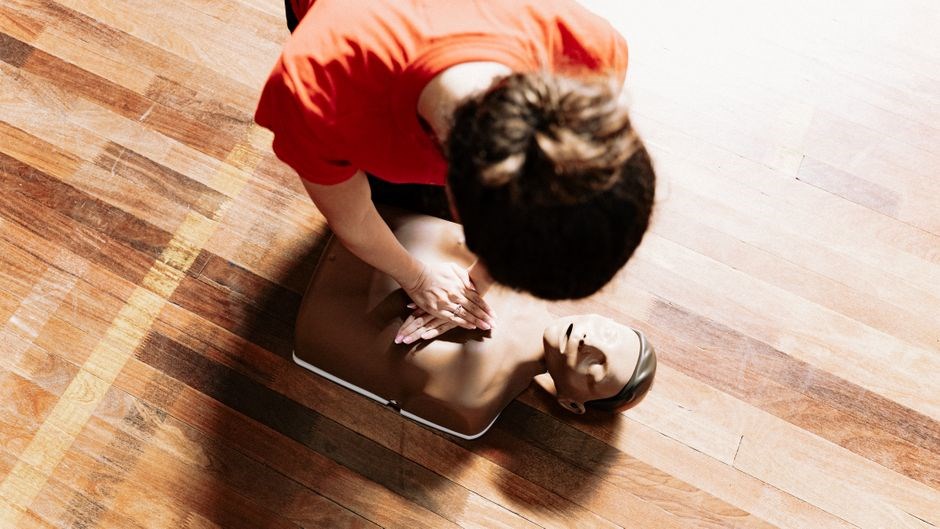
Effective CPR begins with a rapid assessment of responsiveness and breathing. If the person is unresponsive, call emergency services immediately. Perform chest compressions at a depth of at least 2 inches (5 cm) for adults, using the heel of one hand on the lower half of the sternum, interlocking fingers of the other hand. Compress at 100–120 per minute, allowing full recoil after each compression. For children and infants, use two fingers or a single hand, compress 1/3 the chest depth, maintaining the same rate. After 30 compressions, deliver two rescue breaths by tilting the head, lifting the chin, and sealing the mouth. Use a bag‑mask or mouth‑to‑mouth technique, ensuring a tight seal and a slow, steady exhalation. Repeat the cycle of 30 compressions and 2 breaths until advanced help arrives or the victim shows signs of life. If an AED is available, apply the pads immediately after the first set of compressions, following the device’s voice prompts. The manual emphasizes the importance of minimizing interruptions, using a single rescuer for compressions, and maintaining correct posture to reduce fatigue. It also covers variations for pregnant patients, obese individuals, and those with spinal injuries, recommending the use of a backboard and proper positioning to reduce complications. Continuous training and simulation drills are encouraged to build muscle memory and confidence in real‑world scenarios. Teamwork and clear communication enhance effectiveness, and a post‑incident debrief helps refine skills. Practice regularly to maintain proficiency. Stay calm. OK! Stay calmOK
AED Operation
An Automated External Defibrillator (AED) is a life‑saving device that delivers a shock to restore a normal heart rhythm when a cardiac arrest occurs. The manual outlines a step‑by‑step protocol that any trained responder can follow, even in high‑stress situations. First, ensure the scene is safe and the victim is unresponsive. Call emergency services immediately. Then, expose the chest, removing clothing that may interfere with pad placement. Clean the skin with a dry cloth or alcohol wipe to ensure good electrode contact. Place the adhesive pads on the upper right chest and lower left chest, following the arrows on the pads. The device’s voice prompts will guide you through the process. After the pads are secured, the AED will automatically analyze the heart rhythm. If a shockable rhythm is detected, the device will instruct you to deliver a shock. Stand clear of the victim, keep hands away, and press the shock button when prompted. If the device advises CPR, begin compressions immediately, maintaining a rate of 100–120 per minute. After each shock, the AED will re‑analyze. Repeat the cycle until advanced medical help arrives or the victim shows signs of life. The manual emphasizes the importance of not touching the patient during analysis or shock delivery, as this can interfere with the device’s function. Regular maintenance checks, battery replacement and pad expiration keep the AED ready. Finally, the manual encourages responders to practice AED use in simulated scenarios to build confidence and muscle memory, ensuring that when a real emergency occurs, the responder can act swiftly and effectively.
First Aid for Common Emergencies
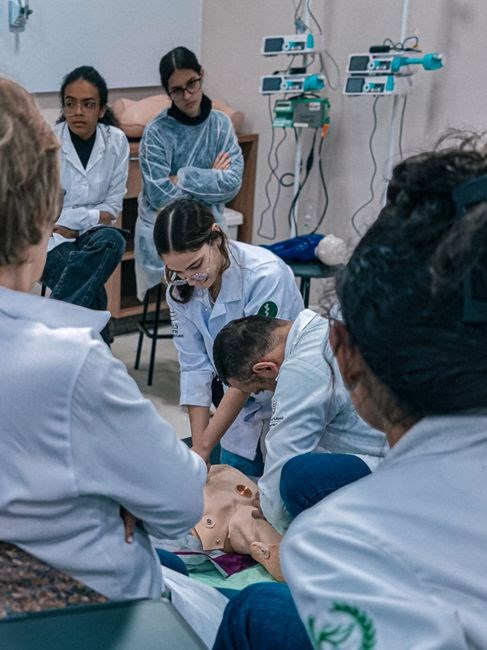
The Participants Manual offers step‑by‑step guidance for common emergencies. For cuts, wash the area, apply pressure, and cover with a sterile dressing. Burns should be cooled under running water for at least ten minutes, then protected with a non‑adhesive dressing. Suspected fractures require immobilizing the limb with a rigid splint or improvised material, keeping the joint still. Allergic reactions call for an epinephrine auto‑injector, antihistamines, and immediate emergency help. Fainting is managed by placing the person supine, elevating legs, and checking pulse and breathing. Choking is treated with back blows and abdominal thrusts for adults, or chest thrusts for infants, and emergency assistance should be sought if the airway is not cleared. The manual also covers nosebleeds, sprains, and head injuries, stressing the assessment of consciousness, breathing, and circulation before care. It emphasizes calmness, clear communication, and incident documentation.
Heatstroke is treated by moving the victim to shade, cooling with wet cloths, and hydrating. Hypothermia management involves removing wet clothing, providing warm blankets, and monitoring core temperature. Seizure care includes cushioning the head, loosening tight clothing, timing the seizure, and calling emergency help if it lasts over five minutes or the person does not regain consciousness.
Other frequent incidents include nosebleeds, where the nose should be pinched gently for several minutes; sprains, which require RICE (rest, ice, compression, elevation); and head injuries, where loss of consciousness or vomiting warrants immediate medical evaluation. The manual also advises on how to handle burns, allergic reactions, and fainting, ensuring responders can act now safely.
Training and Assessment
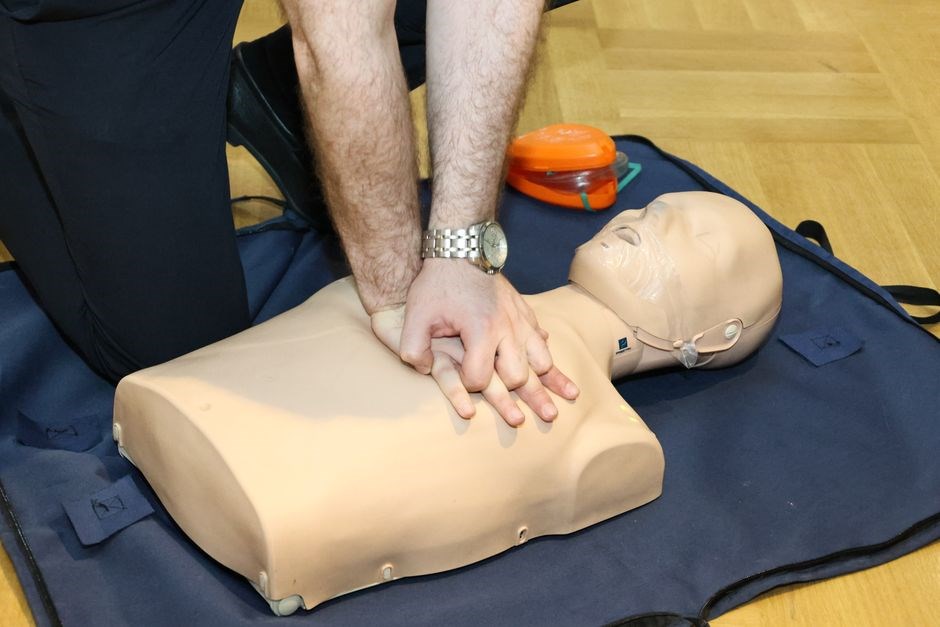
Hands‑on practice and scenario drills reinforce skills. Learners perform CPR, AED use, and first‑aid scenarios under instructor supervision. Assessment follows a competency checklist, ensuring each participant meets national standards before certification. Feedback guides improvement. Participants earn a badge!!!
Hands‑On Practice
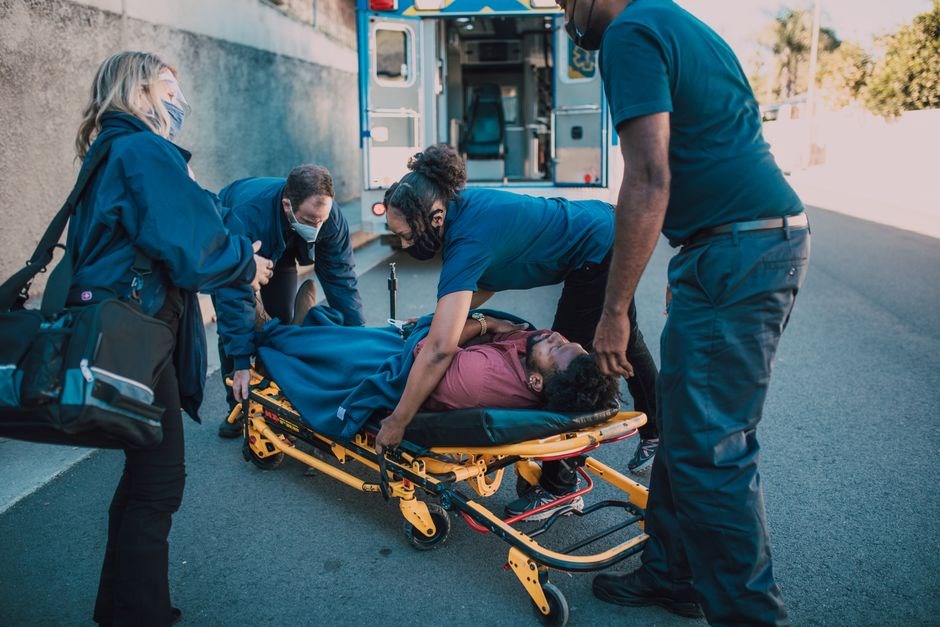
Participants engage in realistic, instructor‑guided simulations that mirror real‑world emergencies. Using high‑fidelity CPR mannequins, trainees practice chest compressions, rescue breaths, and AED application while receiving immediate, structured feedback. Scenario‑based drills cover cardiac arrest, choking, bleeding, and shock, allowing learners to apply knowledge in a controlled environment. The curriculum emphasizes repetition, muscle memory, and correct technique, ensuring that each skill is mastered before moving to the next. Instructors monitor compression depth, rate, and recoil, and adjust technique in real time. Debrief sessions focus on critical thinking, decision‑making, and teamwork, reinforcing the importance of clear communication and role assignment during an emergency. Throughout the course, participants record performance metrics on a digital log, enabling self‑assessment and progress tracking. The hands‑on approach not only builds confidence but also embeds the procedural knowledge necessary for rapid, effective response in high‑pressure situations. By the end of the module, every trainee demonstrates proficiency in all core first‑aid and CPR skills, ready to act decisively when seconds matter. Hands‑on practice also incorporates team‑based exercises where participants assume specific roles, such as dispatcher, responder, or bystander. These role‑plays emphasize the flow of information, triage priorities, and efficient use of limited resources. Instructors introduce time‑pressure scenarios to simulate real emergencies, encouraging quick decision‑making under stress. Participants also practice using portable AEDs, learning to interpret rhythm strips and deliver shocks safely. The module concludes with a mock emergency response, where learners must coordinate all skills simultaneously, demonstrating readiness to handle complex, multi‑patient situations. Reflection and peer feedback solidify learning, ensuring each trainee leaves with confidence and competence. The trainingalso reinforces the importancenownowtodayof refreshment.
Certification Process
The American Red Cross Participants Manual outlines a structured certification pathway that blends written assessment, practical demonstration, and instructor evaluation. Candidates first complete the online or in‑class knowledge module, covering anatomy, emergency protocols, and legal considerations. Upon successful completion, they advance to the hands‑on skills test, where they must perform CPR, AED use, and basic first‑aid interventions on mannequins and simulated patients. Instructors observe technique, timing, and decision‑making, scoring each task against a standardized rubric. A minimum score threshold—typically 80% overall—must be met to pass. Learners who achieve the required score are awarded a digital certificate, which is printed and mailed to the participant. The manual also specifies a 12‑month validity period, after which recertification is mandatory. Recertification involves a refresher course that revisits core concepts and updates participants on new guidelines, such as the latest CPR compression depth recommendations. The process ensures that all certified individuals maintain up‑to‑date skills and knowledge, thereby safeguarding public health and safety. Documentation of certification is stored in a secure online portal, allowing employers and organizations to verify credentials quickly. The manual emphasizes that certification is not a one‑time event but a continuous commitment to preparedness, encouraging participants to engage in regular practice sessions and stay informed about evolving best practices. Participants complete a refresher!!.
Equipment and Maintenance
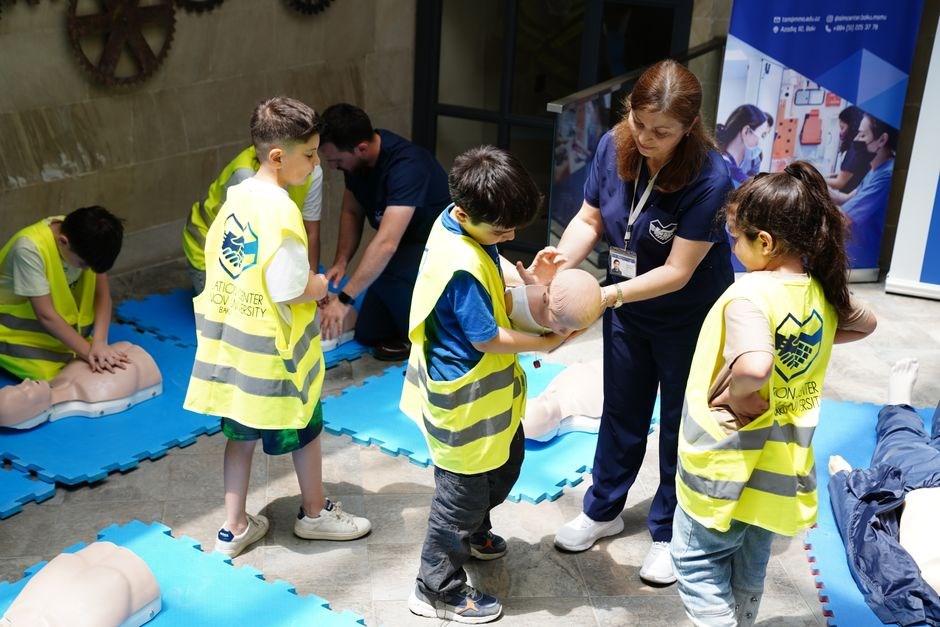
The manual lists essential supplies: AED, bandages, splints, gloves, and a first‑aid kit. It stresses regular checks, battery replacement, and expiration dates. Proper storage and routine inspections keep equipment ready for emergencies.Regular checks ensure functionality and compliance with safety standards.
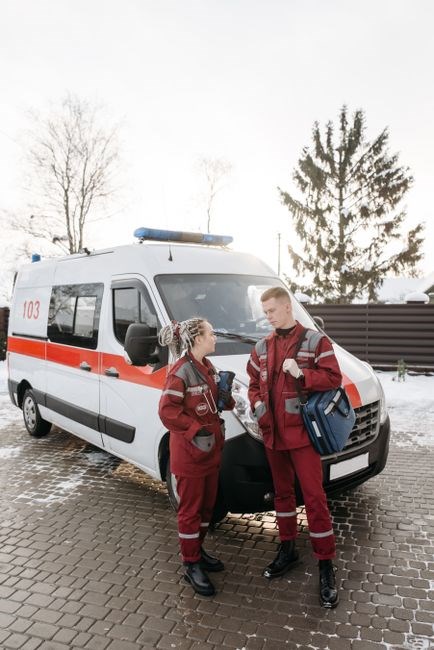
Essential Supplies
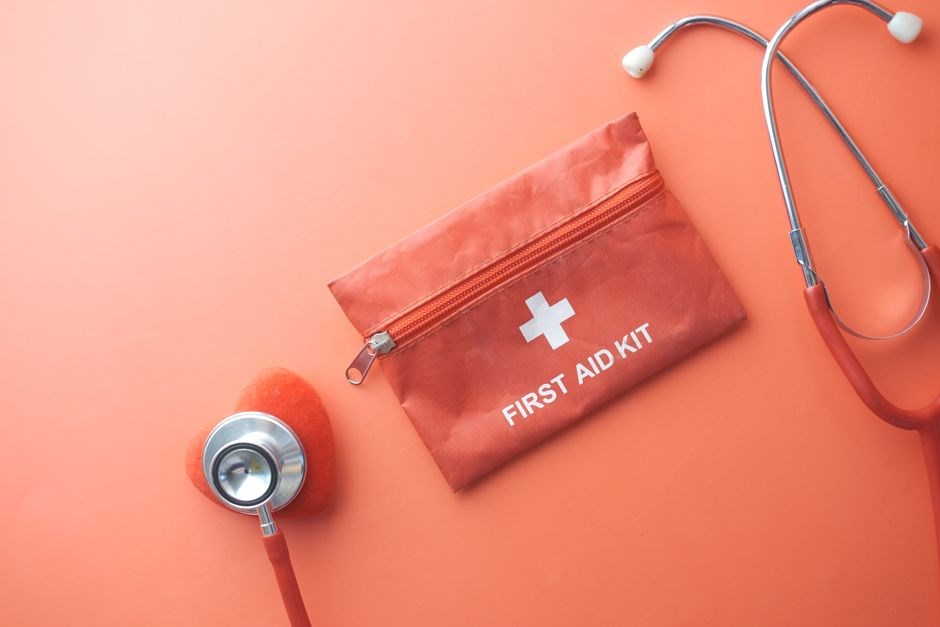
The 2016 American Red Cross Participants Manual outlines a comprehensive list of essential supplies that every first‑aid kit should contain to effectively respond to emergencies involving CPR and AED usage. It emphasizes that a well‑equipped kit not only supports immediate care but also enhances confidence and compliance with safety protocols. Core items include a certified automated external defibrillator (AED) with a clear, user‑friendly interface and an audible alarm system. The manual recommends a minimum of two AEDs in high‑traffic public spaces, each with a battery life of at least 12 months and a backup battery, as well as a self‑test feature that alerts users when the device is ready for deployment. In addition to the AED, the kit should contain a variety of bandages—elastic, gauze, and adhesive—sized for different wounds, along with sterile dressings, antiseptic wipes, and disposable gloves to prevent cross‑contamination. Splints, both rigid and adjustable, are advised for immobilizing fractures or sprains, while a cervical collar is essential for suspected neck injuries. A thermometer, pulse oximeter are recommended for assessing vital signs in low‑light conditions. For documentation, a first‑aid logbook ensures that responders record actions taken and identify any gaps in care. The manual advises regular inspection of all supplies, verifying expiration dates, battery status, and the integrity of packaging. It also recommends a quarterly training refresh to familiarize staff with the location and use of each item, ensuring that the kit remains reliable resource during critical moments