

Florida Contractors Manual: A Comprehensive Guide (Updated April 15, 2026)
Florida’s booming growth presents opportunities for contractors; navigating licensing, regulations, and best practices is crucial for success in this dynamic market.
Embarking on a contracting career in Florida requires diligent preparation. The state’s rapid expansion, as noted by The Apopka Voice, fuels high demand, yet necessitates strict adherence to licensing and regulatory frameworks. Understanding these nuances—from initial application to ongoing compliance—is paramount. Success hinges on navigating Florida’s unique building codes and legal landscape effectively.
II. Types of Contractor Licenses in Florida
Florida offers diverse contractor licenses tailored to specific trades. Options include Certified General, Building, and Residential Contractors, each with distinct project scope limitations. Specialty licenses—like plumbing, electrical, and roofing—cater to focused expertise. Choosing the correct license is vital; requirements vary, impacting project eligibility and operational capabilities.
A. Certified General Contractor
The Certified General Contractor license is Florida’s most unlimited credential. Holders can undertake projects of any size or complexity, encompassing all construction types. This demands extensive experience, passing rigorous exams, and demonstrating substantial financial stability. It’s the premier license for large-scale commercial and residential ventures.
B. Building Contractor
A Building Contractor license allows work on residential and commercial buildings up to three stories in height. This license necessitates proven experience in the construction field, successful completion of required examinations, and adherence to financial responsibility standards. It’s a versatile option for many construction projects.
C. Residential Contractor
The Residential Contractor license focuses specifically on constructing, remodeling, repairing, or improving residential dwellings up to two stories. This license demands demonstrated expertise in residential building practices, passing the necessary exams, and maintaining financial stability. It’s ideal for those specializing in home-related projects.
D. Specialty Contractor (Examples: Plumbing, Electrical, Roofing)
Specialty contractors concentrate on distinct portions of a construction project, like plumbing, electrical systems, or roofing. These licenses require focused expertise and passing trade-specific exams. Obtaining this license allows contractors to legally perform specialized work, ensuring quality and adherence to building codes.
III. Eligibility Requirements for Florida Contractor Licenses
To qualify for a Florida contractor license, applicants must meet specific criteria. These include age and educational prerequisites, documented experience in the trade, and demonstrated financial stability. A solid credit score and sufficient net worth are vital components of the application process, ensuring responsible business practices.
A. Age and Education Requirements
Applicants generally must be at least 18 years old to pursue a Florida contractor license. While a specific degree isn’t always mandatory, demonstrating equivalent knowledge is crucial. Completion of a state-approved trade school program or relevant coursework can fulfill educational requirements, bolstering application strength.
B. Experience Requirements (Years & Type)
Florida demands verifiable experience directly related to the desired license type. Typically, at least four years of proven experience are needed, with a minimum of one year at a supervisory level. Detailed documentation, including project specifics and responsible roles, is essential for demonstrating competency to the licensing board.
C. Financial Stability Requirements (Net Worth & Credit Score)
Demonstrating financial responsibility is key for Florida contractor licensing. Applicants must prove a tangible net worth of at least $5,000, alongside a commendable credit score. A detailed financial statement and credit report are required, ensuring applicants can reliably manage projects and fulfill financial obligations.
IV. The Florida Contractor Licensing Board (CILB)
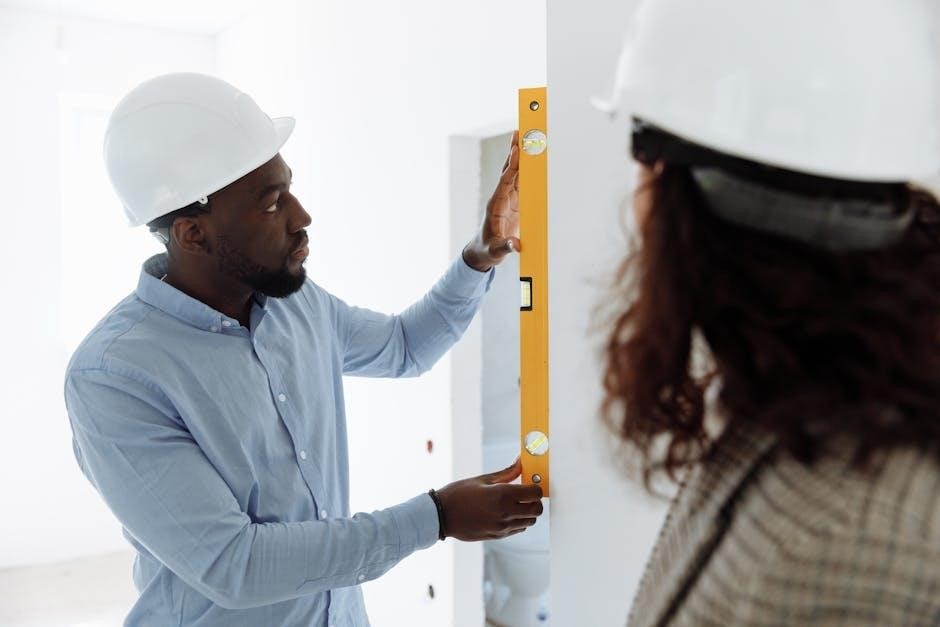
The CILB oversees all contractor licensing and regulation within Florida. Its responsibilities include application review, examination administration, disciplinary actions, and ensuring compliance with building codes. The board protects public safety by upholding industry standards and investigating complaints against licensed contractors effectively.
A. CILB Responsibilities and Oversight
The CILB diligently enforces Florida’s construction laws, safeguarding homeowners and businesses. Oversight includes licensing, investigating complaints, and imposing disciplinary measures like fines or license revocation. They also approve continuing education providers and update licensing requirements to reflect evolving industry standards and building codes.
B. Application Process Overview
Applying for a Florida contractor license involves several key steps. Initially, applicants must demonstrate required experience and financial stability, then submit a detailed application to the DBPR. Background checks, insurance verification, and passing the state exams are crucial. Expect processing times and potential requests for additional documentation.
V. Examination Requirements
Florida contractor licensing demands passing both a business and finance exam, alongside a trade-specific test. Preparation is key; resources include study guides and practice exams. The business exam assesses knowledge of contracts, accounting, and legal aspects, while the trade exam validates technical expertise.
A. Business and Finance Exam
This crucial exam tests understanding of essential business principles for Florida contractors. Topics include accounting, project management, contract law, insurance, and lien law. Thorough preparation utilizing approved study materials is vital for success, ensuring competency in financial and legal responsibilities.
B. Trade-Specific Exam (Based on License Type)
This exam rigorously assesses technical knowledge within your chosen contracting specialty. Content varies depending on the license – plumbing, electrical, roofing, etc. – demanding a deep understanding of codes, materials, and installation practices. Passing requires focused study and practical application of trade skills.

VI. Insurance Requirements for Florida Contractors
Florida mandates specific insurance coverage to protect both contractors and clients. General liability insurance is essential, alongside workers’ compensation if employees are hired. Property insurance safeguards tools and equipment. Maintaining adequate coverage demonstrates professionalism and financial responsibility, mitigating potential risks.
A. General Liability Insurance
General liability insurance is a cornerstone of risk management for Florida contractors. This coverage protects against claims of bodily injury or property damage caused by your work. Policies should cover completed operations and products liability, safeguarding against future issues. Minimum coverage amounts are set by the CILB.
B. Workers’ Compensation Insurance (If Applicable)
Florida law generally requires contractors with four or more employees to carry workers’ compensation insurance. This provides benefits to employees injured on the job, covering medical expenses and lost wages. Even with fewer employees, coverage may be elected. Exemptions exist, but careful consideration is vital to avoid penalties.
C. Property Insurance
Florida contractors should secure adequate property insurance to protect tools, equipment, and materials from theft, damage, or loss. Policies should cover both on-site and off-site property. Consider coverage for liability related to property damage caused by your work. Hurricane coverage is particularly crucial given Florida’s climate.
VII. Continuing Education Requirements
Florida-licensed contractors must complete mandatory continuing education (CE) courses for license renewal. These courses keep professionals updated on building codes, regulations, and industry best practices. Approved CE providers offer various formats, including online options. Maintaining current knowledge ensures compliance and professional development.
A. Mandatory CE Courses
Florida mandates 14 hours of continuing education every renewal cycle for most contractor licenses. This includes essential courses like building code updates, business practices, and workplace safety. Specific license types may require additional, specialized CE hours to maintain competency and adhere to evolving industry standards;
B. Approved CE Providers
The Florida Construction Industry Licensing Board (CILB) maintains a list of approved continuing education providers. These providers offer courses meeting state requirements, delivered online or in-person. Choosing a CILB-approved provider ensures course credit validity for license renewal, avoiding potential complications during the application process.

VIII. Florida Building Codes and Regulations
Florida’s building codes are regularly updated to enhance safety and resilience, particularly concerning hurricane impacts. Contractors must adhere to the current Florida Building Code, alongside any local amendments implemented by counties or municipalities. Staying informed about these changes is vital for compliant and quality construction practices.

A. Current Florida Building Code Updates
As of April 15, 2026, the 7th Edition (2020) of the Florida Building Code remains in effect statewide, though revisions are continuously considered. Contractors should prioritize wind mitigation techniques and impact-resistant materials, reflecting Florida’s vulnerability to hurricanes and severe weather events, ensuring structures meet stringent safety standards.
B. Local Amendments to Building Codes

Florida’s 67 counties and numerous municipalities can adopt amendments to the statewide building code, creating a complex regulatory landscape. Contractors must verify local requirements before commencing projects, as these amendments often address specific regional concerns like flood zones or coastal construction, impacting material choices and methods.
IX. Contract Requirements in Florida
Florida law mandates specific elements for valid construction contracts, including clear scope of work, payment schedules, and dispute resolution processes. Detailed contracts protect both contractors and clients, outlining responsibilities and minimizing misunderstandings; Written change orders are essential, documenting agreed-upon modifications to the original contract terms.
A. Essential Elements of a Valid Construction Contract
A legally sound Florida construction contract must clearly define the project scope, including detailed specifications and materials. It requires precise payment terms, a defined completion date, and signatures from all parties. Proper licensing information, insurance details, and change order procedures are also vital components for enforceability.
B. Change Order Procedures
Florida contractors must meticulously document all project modifications with written change orders. These orders require client approval, detailing revised scope, cost adjustments, and schedule impacts. Maintaining a clear audit trail of signed change orders prevents disputes and ensures transparent project management, safeguarding both parties’ interests throughout construction.
X. Lien Law in Florida
Florida’s lien law grants contractors security for labor, services, and materials provided to improve property. Contractors must adhere to strict notice requirements – including “Notice to Owner” – to preserve their lien rights. Proper documentation and timely filing are essential for effectively securing payment and resolving potential disputes.
A. Mechanics Liens and Contractors’ Rights
Mechanics liens are a statutory right allowing contractors to secure payment for work performed. This legal claim attaches to the property itself, providing recourse if owners fail to pay. Understanding lien priority, perfection, and enforcement procedures is vital for Florida contractors protecting their financial interests.
B. Notice to Owner Requirements

Florida law mandates specific notice requirements for contractors working on projects. Serving a Notice to Owner within 45 days of commencing work is crucial. This informs property owners of the contractor’s rights and potential lien claims, safeguarding payment and establishing a clear record of project involvement.
XI. Dealing with Disputes and Complaints
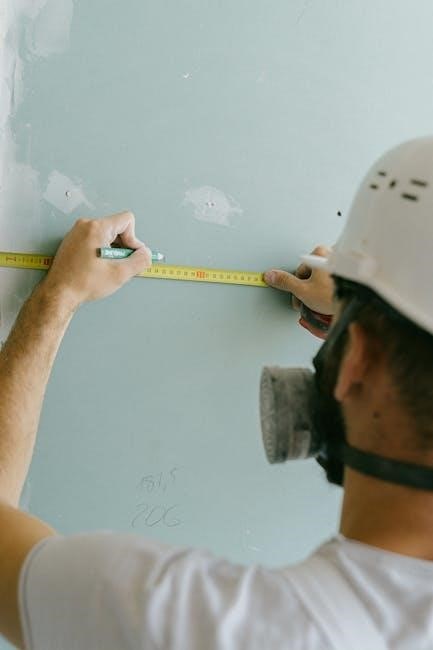
Resolving conflicts effectively is vital for Florida contractors. Mediation and arbitration offer alternatives to costly litigation. The CILB provides a formal complaint process for unresolved issues, ensuring fair investigation and potential disciplinary actions. Proactive communication and documented agreements can prevent disputes.
A. Mediation and Arbitration
Mediation and arbitration present efficient alternatives to litigation for Florida construction disputes. Mediation utilizes a neutral third party to facilitate settlement, while arbitration involves a binding decision by an arbitrator. These methods are often faster and less expensive, preserving relationships and offering quicker resolutions.
B. Filing a Complaint with the CILB
When disputes remain unresolved, homeowners can file a complaint with the Florida Construction Industry Licensing Board (CILB). This process requires detailed documentation, including contracts, payments, and correspondence. The CILB investigates, potentially leading to disciplinary action against the contractor, fines, or license suspension.
XII. Hurricane Preparedness and Building Standards
Florida’s vulnerability to hurricanes demands stringent building codes and preparedness. Contractors must adhere to wind mitigation techniques, utilizing impact-resistant materials like reinforced roofing and windows. Proper construction significantly reduces damage, ensuring structures withstand severe weather events and protecting lives and property.
A. Wind Mitigation Techniques
Effective wind mitigation focuses on strengthening a building’s resistance to hurricane-force winds. This includes securing roof-to-wall connections, bracing gable ends, and installing hurricane shutters or impact-resistant windows. Properly implemented techniques can lead to insurance discounts and enhanced structural integrity during storms.
B. Impact-Resistant Materials
Utilizing impact-resistant materials is paramount in Florida construction. This encompasses impact-rated windows and doors, reinforced roofing systems, and durable siding options designed to withstand debris impacts. Investing in these materials significantly reduces damage during hurricanes, protecting occupants and minimizing repair costs post-storm.
XIII. Recent Changes in Florida Contracting Laws (as of April 15, 2026)
As of April 15, 2026, Florida has seen updates to lien law procedures, streamlining the notification process for subcontractors. Increased scrutiny on contractor financial stability is also present, alongside revised continuing education requirements focusing on updated building codes and hurricane preparedness standards for all licensed professionals.
XIV. Resources for Florida Contractors

Florida contractors benefit from the Department of Business and Professional Regulation (DBPR) website, offering licensing information and regulatory updates. Industry associations like the Florida Home Builders Association provide valuable networking, advocacy, and continuing education opportunities, supporting professional development and business growth within the state.
A. Department of Business and Professional Regulation (DBPR) Website
The DBPR website is the central hub for Florida contractor licensing, providing access to applications, verification tools, and crucial regulatory information. Contractors can find updates on building codes, file complaints, and access educational resources – ensuring compliance and informed business practices throughout the licensing process.
B. Industry Associations (e.g., Florida Home Builders Association)
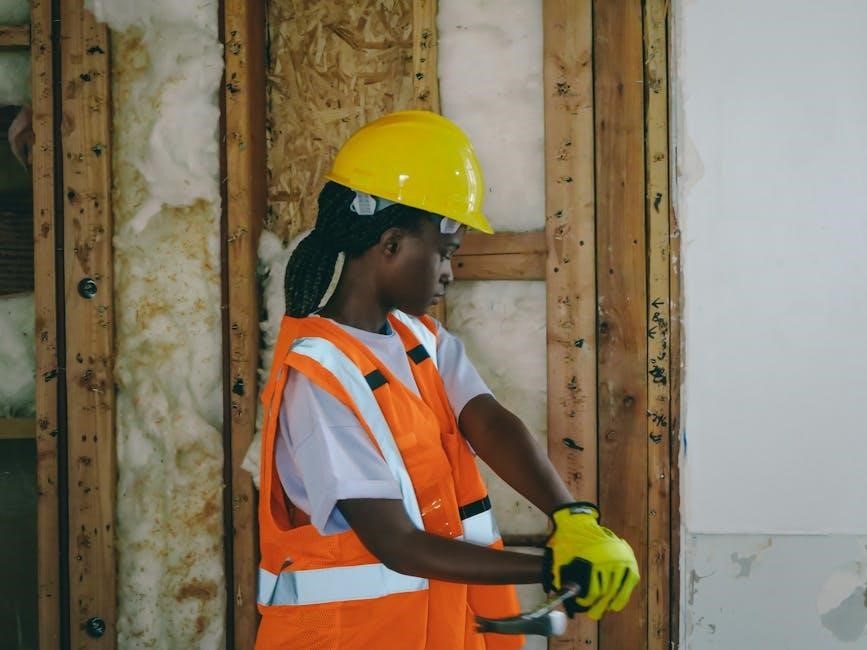
Joining organizations like the Florida Home Builders Association offers invaluable networking and advocacy opportunities. These associations provide access to continuing education, legislative updates, and industry best practices, fostering professional development and a collective voice for Florida’s contracting community, ultimately boosting business success.
XV. Starting a Contracting Business in Florida: A Step-by-Step Guide
Launching a Florida contracting venture demands meticulous planning. Begin with a solid business plan, secure necessary licenses, and establish financial stability. Obtain required insurance, understand building codes, and prioritize compliant contracts for a strong foundation and sustained growth within the competitive Florida market.
XVI. Common Mistakes to Avoid as a Florida Contractor
Navigating Florida’s contracting landscape requires diligence. Avoid underbidding projects, neglecting proper licensing, and failing to maintain adequate insurance. Poor contract documentation, ignoring building codes, and overlooking lien law compliance are frequent pitfalls; proactive prevention ensures project success and legal protection.